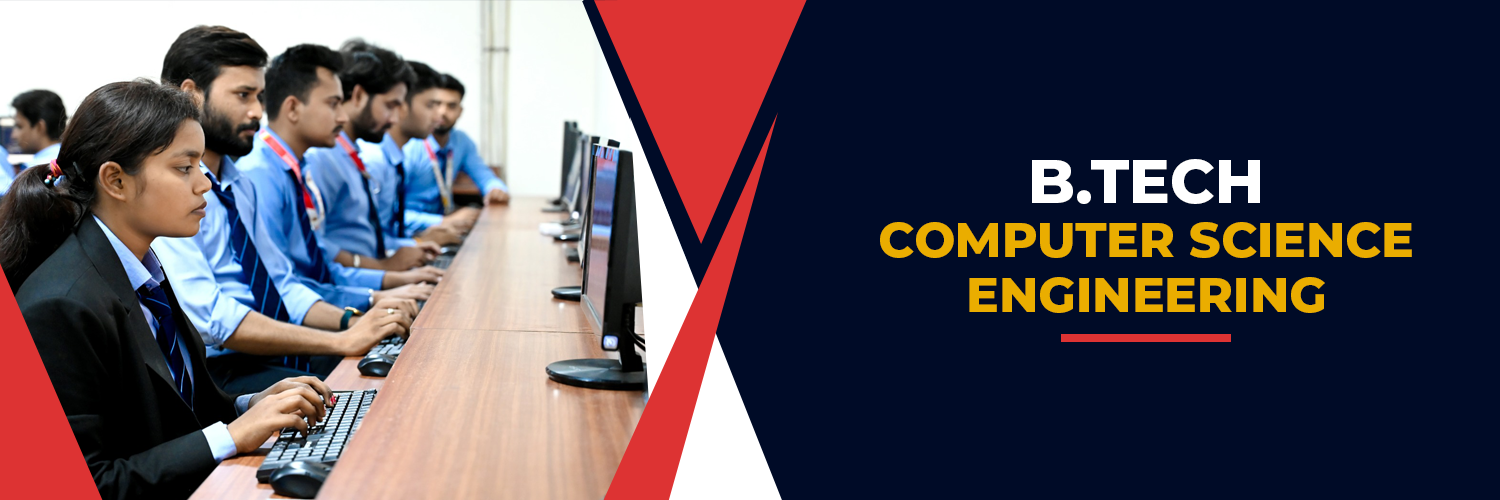
Department of Computer Science & Engineering
Established in 2008, the Department of Computer Science & Engineering at Ambalika Institute has grown from a specialized cohort of 60 to a thriving community of 180 students. As a premier destination for technical education in Lucknow, our program is NBA-accredited and affiliated with Dr. A.P.J. Abdul Kalam Technical University (AKTU), strictly adhering to its rigorous eight-semester academic framework.
Why Choose B.Tech CSE?
In today’s digital-first economy, a degree in CSE is a gateway to high-impact career paths. Our curriculum prepares students for excellence in:
- Software & Web Development: Building the architecture of the modern web.
- Information Security: Protecting data in an increasingly complex cyber landscape.
- Computer Programming: Mastering the languages that power global innovation.
- Advanced Studies: Providing a robust foundation for Master’s degrees in Cybersecurity, AI, and Data Science.
Advanced Infrastructure & Facilities
We provide an ecosystem where theoretical knowledge meets practical execution.Our specialized labs are designed to transform creative concepts into tangible solutions.
Innovation at the Core: Whether you are developing a new app or exploring deep learning, our department provides the expert guidance and high-tech environment necessary to turn your vision into reality.
Department Vision
To embrace students towards becoming computer professionals having problem solving skills, leadership qualities, foster research & innovative ideas inculcating moral values and social concerns.
Department Mission
1: To provide state-of-the-art facilities for high quality academic practices.
2: On the advancement of quality & impact of research for the betterment of society.
3: To nurture extra-curricular skills and ethical values in students to meet the challenges of building a strong nation
Program Educational Objectives
PEO 1: All the graduates will become high class software professionals who could be absorbed in the software industry on the basis of sound academic knowledge gained by them on account of adopting state-of-the-art academic practices.
PEO 2: All the graduates will demonstrate their talent in research and development activities involving themselves in such researches which could alleviate the existing problems of the society.
PEO 3: All the graduates shall be committed to high moral and ethical standards in solving the societal problems by means of their exposure to various co-curricular and extra-curricular activities.
Program Outcomes
PO 1: Engineering Knowledge: Apply the knowledge of mathematics, science, engineering fundamentals, and an engineering specialization to the solution of complex engineering problems.
PO 2: Problem Analysis: Identify, formulate, review research literature, and analyze complex engineering problems reaching substantiated conclusions using first principles of mathematics, natural sciences, and engineering sciences.
PO 3: Design/development of solutions: Design solutions for complex engineering problems and design system components or processes that meet the specified needs with appropriate consideration for the public health and safety, and the cultural, societal, and environmental considerations.
PO 4: Conduct investigations of complex problems: Use research-based knowledge and research methods including design of experiments, analysis and interpretation of data, and synthesis of the information to provide valid conclusions
PO 5: Modern tool usage: Create, select, and apply appropriate techniques, resources, and modern engineering and IT tools including prediction and modeling to complex engineering activities with an understanding of the limitations.
PO 6: The engineer and society: Apply reasoning informed by the contextual knowledge to assess societal, health, safety, legal and cultural issues and the consequent responsibilities relevant to the professional engineering practice.
PO 7: Environment and sustainability: Understand the impact of the professional engineering solutions in societal and environmental contexts, and demonstrate the knowledge of, and need for sustainable development.
PO 8: Ethics: Apply ethical principles and commit to professional ethics and responsibilities and norms of the engineering practice
PO 9: Individual and team work: Function effectively as an individual, and as a member or leader in diverse teams and in multidisciplinary settings.
PO 10: Communication: Communicate effectively on complex engineering activities with the engineering community and with society at large, such as, being able to comprehend and write effective reports and design documentation, make effective presentations, and give and receive clear instructions.
PO 11: Project management and finance: Demonstrate knowledge and understanding of the engineering and management principles and apply these to one’s own work, as a member and leader in a team, to manage projects and in multidisciplinary environments.
PO 12: Life-long learning: Recognize the need for, and have the preparation and ability to engage in independent and life-long learning in the broadest context of technological change.
Program Specific Outcomes
PSO 1: To prepare students to excel in the areas of computer engineering techniques & tools through quality education as per industry demands.
PSO 2: To inculcate students a multidisciplinary approach to analyze, design, apply and create innovative products and research solutions for real life problems.
PSO 3: To develop professional ethics & skills in students and ability to relate computer engineering problems with social issues.
Career Opportunities
A B.Tech in Computer Science and Engineering (CSE) equips students with the technical expertise, analytical thinking, and problem-solving abilities required to thrive in today’s rapidly evolving digital ecosystem. As organizations across industries continue to embrace digital transformation, the demand for skilled computer science professionals continues to grow significantly.
Graduates of the CSE program are prepared to contribute to a wide range of domains, including software development, cloud computing, cybersecurity, artificial intelligence, data science, automation, and emerging technologies. The program emphasizes both theoretical foundations and practical application, enabling students to adapt to dynamic industry requirements and technological advancements.
The increasing adoption of cloud infrastructure, AI-driven systems, digital platforms, and connected technologies has created extensive career opportunities in areas such as application development, systems integration, information security, and intelligent computing. Additionally, with cyber threats becoming more sophisticated, professionals specializing in cybersecurity and secure computing are playing a critical role across industries and government sectors.
Career Pathways for CSE Graduates
Graduates from the Department of Computer Science and Engineering can pursue careers in the following domains:
| Career Role | Description |
| Network Engineer | Designs, manages, and secures computer networks to ensure optimal performance and connectivity. |
| DevOps Engineer | Bridges software development and IT operations to improve deployment efficiency and collaboration. |
| Blockchain Developer | Develops decentralized applications and blockchain-based systems. |
| Full Stack Developer | Builds and manages both front-end and back-end components of web applications. |
| Software Engineer / Developer | Designs, develops, tests, and maintains software applications and systems. |
| Systems Analyst | Evaluates organizational requirements and develops technology-based solutions. |
| Mobile Application Developer | Creates applications for Android, iOS, and cross-platform mobile environments. |
| Game Developer | Develops interactive games for PCs, consoles, and mobile platforms. |
| IoT Engineer | Designs smart devices and interconnected systems capable of data exchange and automation. |
| UX Designer | Enhances user experience through improved usability, accessibility, and interface design. |
| Information Security Analyst | Implements security strategies to protect systems, networks, and organizational data. |
| Database Administrator | Manages databases to ensure performance, reliability, and data security. |
| Robotics Engineer | Designs and develops robotic systems for industrial and intelligent automation applications. |
| Big Data Engineer / Analyst | Processes and analyzes large-scale data for business insights and decision-making. |
| Quantum Computing Researcher | Explores advanced computational systems based on quantum-mechanical principles. |
| Cybersecurity Analyst | Protects systems and networks against cyber threats and vulnerabilities. |
| Machine Learning Engineer | Develops intelligent algorithms and predictive models using machine learning techniques. |
| Data Scientist | Extracts meaningful insights from data using analytics, statistics, and AI tools. |
| AI Research Scientist | Conducts research and innovation in artificial intelligence technologies and applications. |
These career opportunities reflect the versatility and relevance of the CSE program in meeting the demands of the modern technology-driven world.
Placement Highlights
The Department of Computer Science and Engineering (CSE) at AIMT has consistently maintained an excellent placement record through strong industry engagement, technical training initiatives, and career-focused academic practices. The department prepares students for diverse opportunities in software development, IT services, cloud computing, analytics, cybersecurity, consulting, and emerging technologies.
Students are recruited through both on-campus and off-campus placement drives by reputed national and multinational organizations. Continuous training in aptitude, coding, communication, and professional development ensures that students are industry-ready and equipped to meet evolving technological demands.
Key Placement Statistics
- Highest Placement Rate achieved in recent years: Consistently strong across batches
- Total student participation in placement drives: High engagement across all sessions
- Multiple students placed in Tier-1 and Tier-2 IT companies
- Regular improvement in technical and coding-based selection rounds
- Increasing participation in off-campus and online hiring drives
Summary
The placement ecosystem at AIMT CSE is driven by continuous training, industry-aligned curriculum, and active student engagement in technical platforms such as HackerRank, LeetCode, and Infosys Springboard. This ensures students are well-prepared for both technical interviews and real-world industry challenges. For complete information of placement Click Here
Curriculum & Syllabus
The B. Tech in Computer Science is a full-time bachelor’s degree in the field of engineering, spanning eight semesters. This program enables students to gain expertise in programming and develop skills in various computer-related languages. Core subjects include Operating Systems, Design and Analysis of Algorithms, Programming Languages, Microprocessors, Cryptography, and Network Security.
Our curriculum is designed to establish a solid foundation in computer science principles while also offering specialized courses and research opportunities in emerging areas such as artificial intelligence, cybersecurity, data science, and software engineering. The program is taught by faculty members who are experts in their fields and stay updated with the latest advancements in technology.
In addition to core subjects, the elective courses include Artificial Intelligence, Data Analytics, Software Reliability, VLSI Design, Data Mining, Parallel Algorithms, and Robotics. The program also features hands-on lab subjects in Digital Electronics and Logic Design, Engineering Practices, and Web Technology.
For detailed information on the syllabus, click here/links given below
- B.Tech 2nd Yr CSE
- B.Tech Common Course BCC
- Mathematics-III Mathematics IV Mathematics V
- Technical Communication 2023-2024
- B.Tech. CS 3rd Year 2024-25
- B.Tech. Open Elective 1 3rd Year VI Semester 2024-25
- BTech CS 4th Year Syllabus
- B.Tech Common HSMC Course for B.Tech 4th Year
- B.Tech. Open Elective III & IV List 4th Year VIII Semester 2021-22
- B.Tech. Open Elective II 4th Year VII Semester 2021
Industry Academia Interaction
The department of CSE at AIMT hosts the ENIGMA Technical Club, Computer Society of India (CSI) and an IEEE Chapter, which are central to promoting research and innovation. These organizations are dedicated to developing high-quality projects and nurturing a culture of creativity and technical excellence. Their primary goal is to enhance student employability by providing a wide array of learning experiences, such as in-house training (Technical Training, PDP Training & Aptitude Training), workshops, and guest lecturers from industry experts and accomplished alumni. By tailoring projects to students’ individual interests, these initiatives strive to equip them with the practical skills and knowledge essential for career success.
IEEE Student Chapter : Active Members
Computer Science and Engineering, Faculty Member (2025-26)
| Name | Designation |
| Dr. Syed Qamar Abbas | Professor |
| Dr. Ajay Kumar Bharti | Professor |
| Dr. Sandhya | Associate Professor |
| Dr. Anshu Srivastava | Associate Professor |
| Dr. Krishna Nand Mishra | Associate Professor |
| Dr. Razia Sultan | Associate Professor |
| Mr. Alok Mishra | Assistant Professor / Head |
| Dr. Versha Verma | Assistant Professor |
| Dr. Smiley | Assistant Professor |
| Miss Shivangi Pandey | Assistant Professor |
| Mr. Niraj Singh | Assistant Professor |
| Mr. Susheel Kumar | Assistant Professor |
| Miss Kumari Divya | Assistant Professor |
| Mr. Shivam Chaturvedi | Assistant Professor |
| Mr. Vipin Rawat | Assistant Professor |
| Mr. Atebar Haider | Assistant Professor |
| Mrs. Arifa Khan | Assistant Professor |
| Mr. Vaibhav Asthana | Assistant Professor |
| Mr. Livingston Jeeva | Assistant Professor |
| Miss Nabila | Assistant Professor |
| Mr. Manvendra Singh | Assistant Professor |
| Mr. Abhishek Kumar | Assistant Professor |
Department Achievements: Excellence in Action
The Department of Computer Science and Engineering (CSE) at AIMT is committed to fostering a culture of innovation, research, and technical mastery. Our department continuously sets new benchmarks in academic excellence and student development through strategic national partnerships and a rigorous focus on industry readiness.
Key Accreditations & Recognitions
NBA Accreditation
We are proud to announce that the Department of Computer Science & Engineering has been accredited by the National Board of Accreditation (NBA) through December 31, 2028. This prestigious recognition is a testament to our adherence to global standards in technical education.
Elite Institutional Partnerships
We bridge the gap between theoretical knowledge and practical application through active collaborations with India’s premier institutes.
1: Virtual Labs Nodal Centre (IIT Kanpur)
AIMT is an Official Nodal Centre for Virtual Laboratories at IIT Kanpur, an initiative by the Ministry of Education (MOE). This partnership provides our students with state-of-the-art remote laboratory experiences.
Recognition: Recipient of the Letter of Appreciation for outstanding contribution to the Virtual Labs project.
Resources:
2: Spoken Tutorial Project (IIT Bombay)
Through our partnership with IIT Bombay, we offer self-paced, interactive learning modules that significantly enhance our students’ software and programming expertise.
Professional Growth & Networking
To foster leadership and global networking, the department hosts active chapters of world-renowned professional bodies.
Professional Bodies & Student Chapters
- Letter of Appreciation
- Official Nodal Centre Certificate 2024
- Official Nodal Centre Certificate 2025
4: Professional Bodies
Initiated the IEEE Chapter and CSI at Ambalika Institute of Management and Technology, fostering professional growth, networking, and leadership opportunities among students and faculty.
List of Professional Bodies/Chapters
| S. No. | Professional Bodies/Chapters | Activity carried out | Download Certificate |
| 1 | IEEE Student Branch | 10 | Click here |
| 2 | CSI Student Chapter | 2 | Click here |
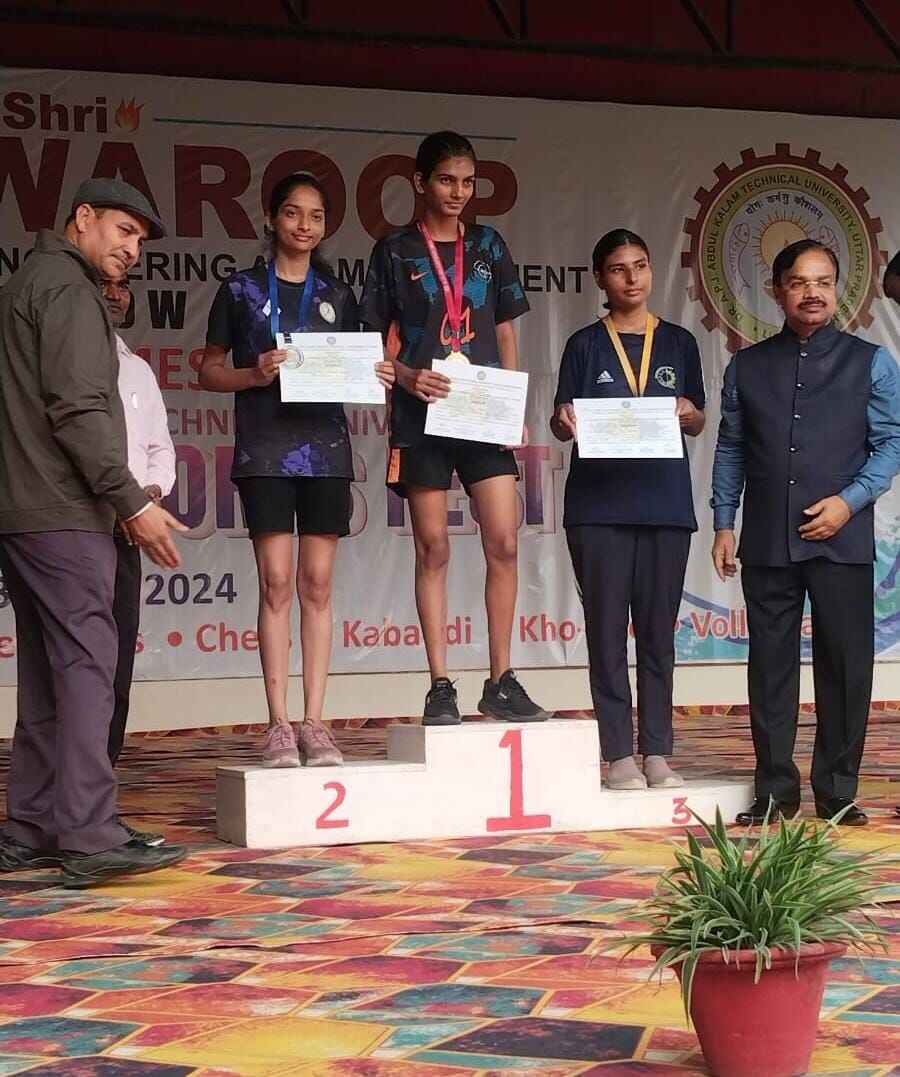
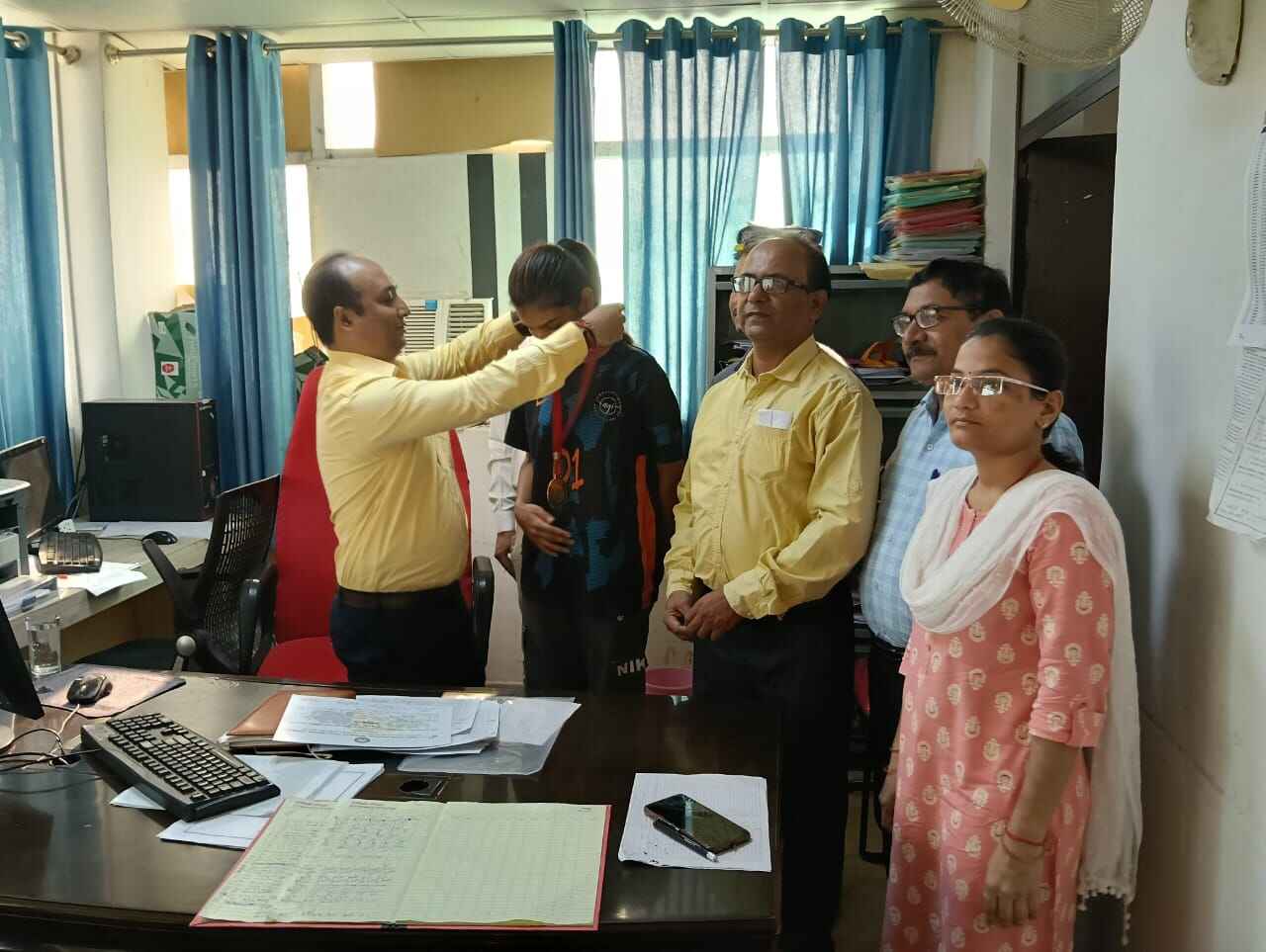
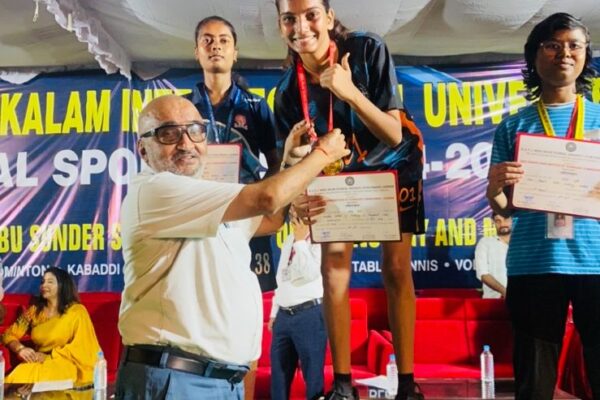
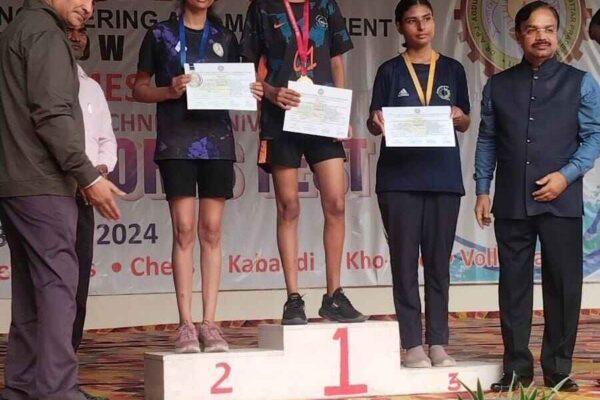
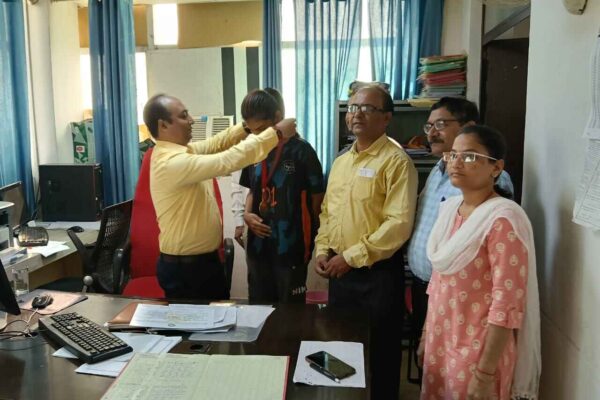
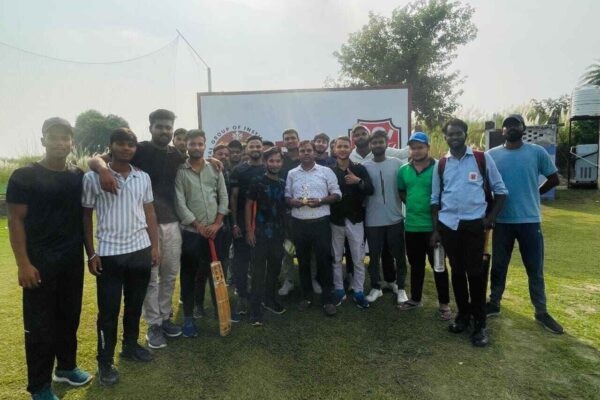
5: Participation in Inter-Institute Events by Students
Our students from the Department of Computer Science and Engineering have actively participated in various inter-institute events, showcasing their talent, skills, and competitive spirit.
Participation in inter-Institute events by students
| S.No. | Session | No. of Participation in Inter-Institute Events | Achievements |
| 1 | 2021-22 | 54 | 1 |
| 2 | 2022-23 | 79 | 5 |
| 3 | 2023-24 | 83 | 11 |
| 4 | 2024-25 | 24 | 4 |
6: Empowering Student Success in Online Learning
Department of Computer Science and Engineering is committed to empowering students by integrating modern online learning platforms into the curriculum. Our students actively engage with the following platforms such as HackerRank, LeetCode, Infosys Springboard, and Scalar Academy for enhancing their coding skills and industry readiness.
Innovations in Teaching and Learning
Our department is dedicated to enhancing the educational experience through innovative teaching methods and diverse learning resources. Below are some of the key approaches we implement:
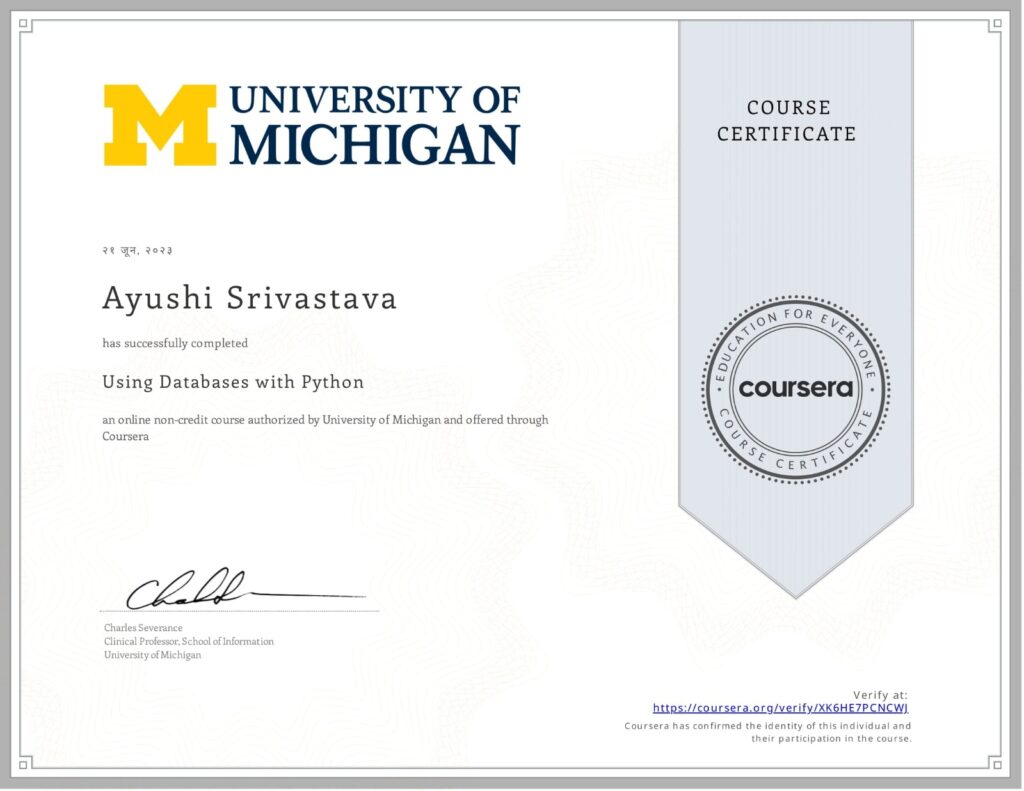
1: Learning via Online Certification
Resources and References: Hackerrank, LeetCode, GFG, Infosys Springboard
Description:
This method builds algorithmic thinking and enhances logic application through real-time feedback. It significantly improves problem-solving and coding skills with interactive challenges.
Reflective Critique: Additional mentorship could deepen learning beyond algorithmic focus.
2: Learning with Classroom Presentations
Resources and References: Contents from covered syllabus
Description:
This approach builds public speaking skills, confidence, and subject mastery while promoting creativity in content delivery. It also encourages critical thinking.
Reflective Critique: Providing structured scaffolding can better support anxious or underprepared students.
3: Faculty-Driven Learning via Online Videos
| SNO | FACULTY NAME | CHANNEL LINK |
| 1 | MR. ALOK MISHRA | Click Here for Video |
| 2 | MR.J.P.DIXIT | Click Here for Video |
| 3 | MR.SHIVAM SRIVASTAVA | Click Here for Video |
| 4 | MR.ATEBAR HAIDER | Click Here for Video |
| 5 | MR.JITENDRA NISHAD | Click Here for Video |
| 6 | MR.VIPIN RAWAT | Click Here for Video |
| 7 | MISS DIVYA BHARTI | Click Here for Video |
| 8 | MR.MAHESH BAHADUR SINGH | Click Here for Video |
| 9 | DR.JITENDRA KURMI | Click Here for Video |
| 10 | MR.BHIM NATH TIWARI | Click Here for Video |
| 11 | MR.AYODHYA PRASAD | Click Here for Video |
4: Faculty-Driven Knowledge Sharing via Blogs
Resources and References: Blogs
Description:
Blogs provide a platform for educators to share insights, research, and academic updates. They encourage readers to explore diverse perspectives and stay informed about industry developments.
| Name of Faculty | Blog Links |
| Mr. Ayodhya Prasad | Click Me |
| Dr. Razia Sultan | Click Me |
| Mrs. Rashmi Nikhera | Click Me |
| Mr. Vijay Shukla | Click Me |
| Mrs. Versha Verma | Click Me |
| Mr. B.N. Tiwari | Click Me |
| Dr. Vijay Singh | Click Me |
| Dr. Krishana Nand Mishra | Click Me |
| Dr. Jitendra Kurmi | Click Me |
| Ms. Urvashi Shri | Click Me |
| Ms. Divya | Click Me |
| Dr. Kunal Gupta | Click Me |
| Mr. Abhishek Vaish | Click Me |
| Mr. Vipin Rawat | Click Me |
| Mr. Atebar Haider | Click Me |
| Mr. Sachin Srivastva | Click Me |
| Mr. Susheel Kumar | Click Me |
| Mr. M.B. Singh | Click Me |
5: Virtual Lab Sessions
Resources and References: IIT Kanpur
Description:
Offers remote hands-on learning through virtual experiments, supporting diverse learning needs with realistic simulations.
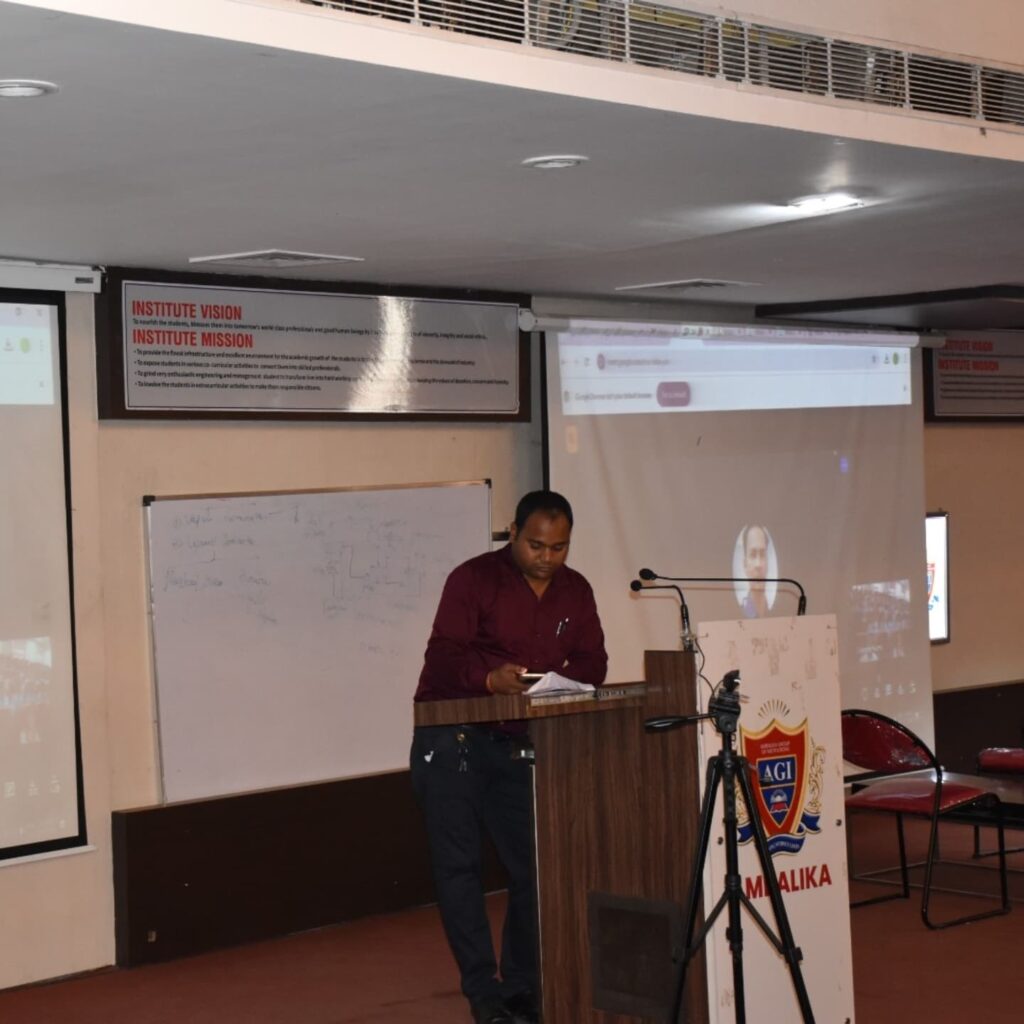
Reflective Critique: While effective, physical lab experiences offer tactile understanding that virtual simulations cannot fully replicate.
6: Online Department Magazine
Resources and References: AIMT Technical Magazines
Description:
Fosters creative writing, collaboration, and digital literacy. Online accessibility allows wider readership and participation.
Reflective Critique: Regular feedback is essential to balance academic and creative content.
7: Participation in International Conferences & Student Publication
Resources and References: COII 2023, 2024
Description:
Encourages networking, skill development, and global exposure. Boosts confidence through research presentation.
Reflective Critique: Preparatory workshops can better equip students for conference presentations.
8: Gamification of Learning
Resources and References: Online Platforms
Description:
Increases motivation and participation through interactive game elements. Encourages competition, collaboration, and problem-solving.
Reflective Critique: Balance is needed to maintain intrinsic motivation and avoid over-reliance on gamification.
9: Blended Learning
Resources and References: Video Streaming & Web Conferencing Tools
Description:
Combines online and face-to-face interactions for personalized learning. It offers flexibility and enhances engagement.
Reflective Critique: Proper content balance is needed for effective participation across delivery methods.
10: Think-Pair-Share
Resources and References: Student Pair Activities
Description:
Promotes communication, critical thinking, and peer learning through collaborative idea exchange.
Reflective Critique: Structured prompts can increase engagement, especially for introverted students.
11: Flipped Classroom
Resources and References: Pre-recorded video lectures
Description:
Focuses on application and interaction during class by shifting theoretical learning to pre-class activities.
Reflective Critique: Balancing pre-class and in-class workloads is crucial for student accessibility.
12: Role Play
Resources and References: Scenario Guides or Scripts
Description:
Facilitates experiential learning through role-playing real-world scenarios. It enhances empathy, critical thinking, and practical skill application.
Reflective Critique: Continuous feedback and assessment improve the learning experience.
- Click Here to Download “Role Play Activity on Software Engineering 3rd Year Section A”
- Click Here to Download “Role Play Activity on Compiler Design 3rd Year Section C”
- Click Here to Download “Role Play Activity on Big Data 3rd Year Section C”
- Click Here to Download “Flipped Classroom Activity on Lexical Analysis and Parsing 3rd Year Section A”
- Click Here to Download “Gamification of Learning Activity on Build Your Own Compiler 3rd Year Section A”
- Click Here to Download “Role Play Activity on Cyber Attack Simulation 3rd Year Section A”
- Click Here to Download “Role Play Activity on Cyber Attack Simulation 3rd Year Section B”
- Click Here to Download “Role Play Activity on Phases of Compiler 3rd Year Section A”
- Click Here to Download “Think Pair Share Activity on Code Optimization 3rd year Section A”
13: IEEE Student Chapter
Resources and References: IEEE Research Papers, Technical Talks, and Conferences
Description:
Promotes academic excellence and technological innovation through seminars, publications, and networking opportunities.
Reflective Critique: Active participation can be enhanced with hands-on activities and mentorship programs.
Publication Details
Departmental Club
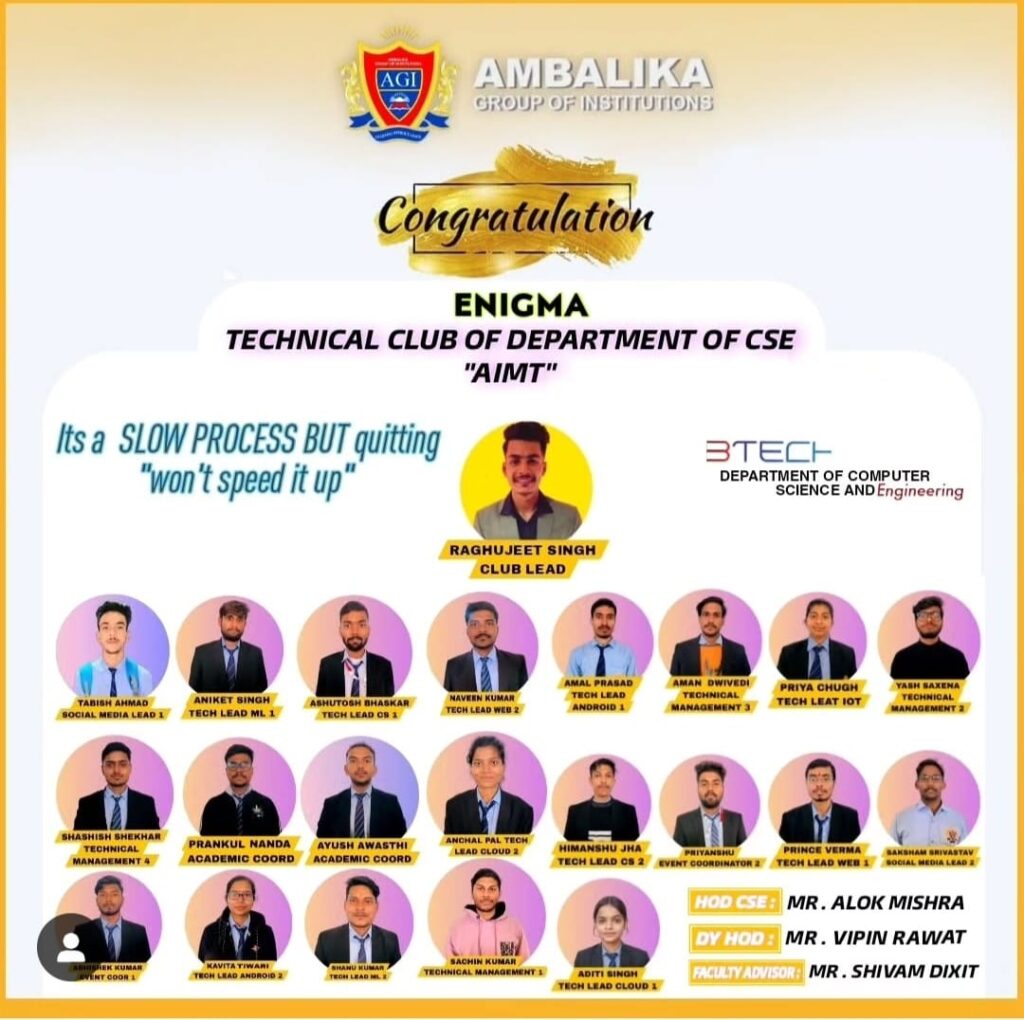
The Enigma Technical Club is dedicated to enhancing technical skills through a variety of activities, including technical workshops, hackathons, and coding challenges. These events provide students with hands-on learning experiences and real-world problem-solving opportunities, fostering collaboration, leadership, and creative thinking. The club creates a dynamic environment where students can innovate and excel in their technical pursuits.
Reflective Critique: While the club is highly effective in promoting technical excellence, some students may feel intimidated by the competitive atmosphere. Introducing mentorship programs and beginner-friendly events could enhance inclusivity and encourage more students to participate and grow their skills with confidence.
Feedback/Review
Provide valuable input on your academic experience
[Click Here for Feedback/Review] – Submit reviews or access forms
Policy for Slow Learners
- Students requiring additional academic support are identified through a structured and continuous assessment process based on the results of the first sessional examination, mentor feedback, and class test performance.
- Once identified, each student is assigned focused mentoring to address individual learning gaps and strengthen conceptual understanding.
- If no significant improvement is observed after the second sessional examination, remedial classes are conducted in the specific subjects where students are facing difficulties. These classes may be scheduled during regular hours or in the evening by adjusting the timetable as required.
- The respective Head of Department (HOD) is responsible for organizing remedial classes and monitoring student attendance as well as syllabus coverage.
- All HODs submit periodic reports on remedial activities to the Dean Academics, who reviews and consolidates the progress report for submission to the Director for further necessary action.
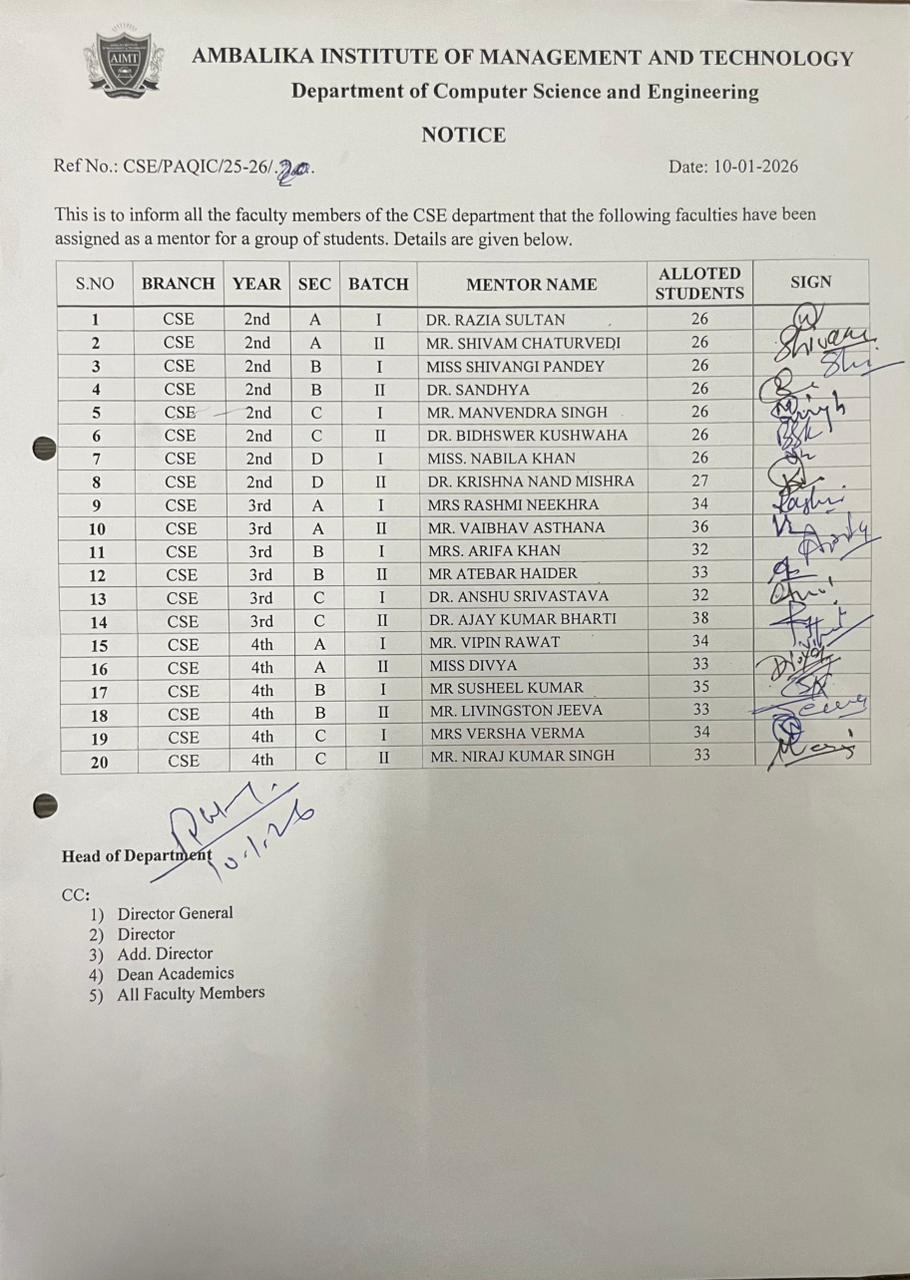
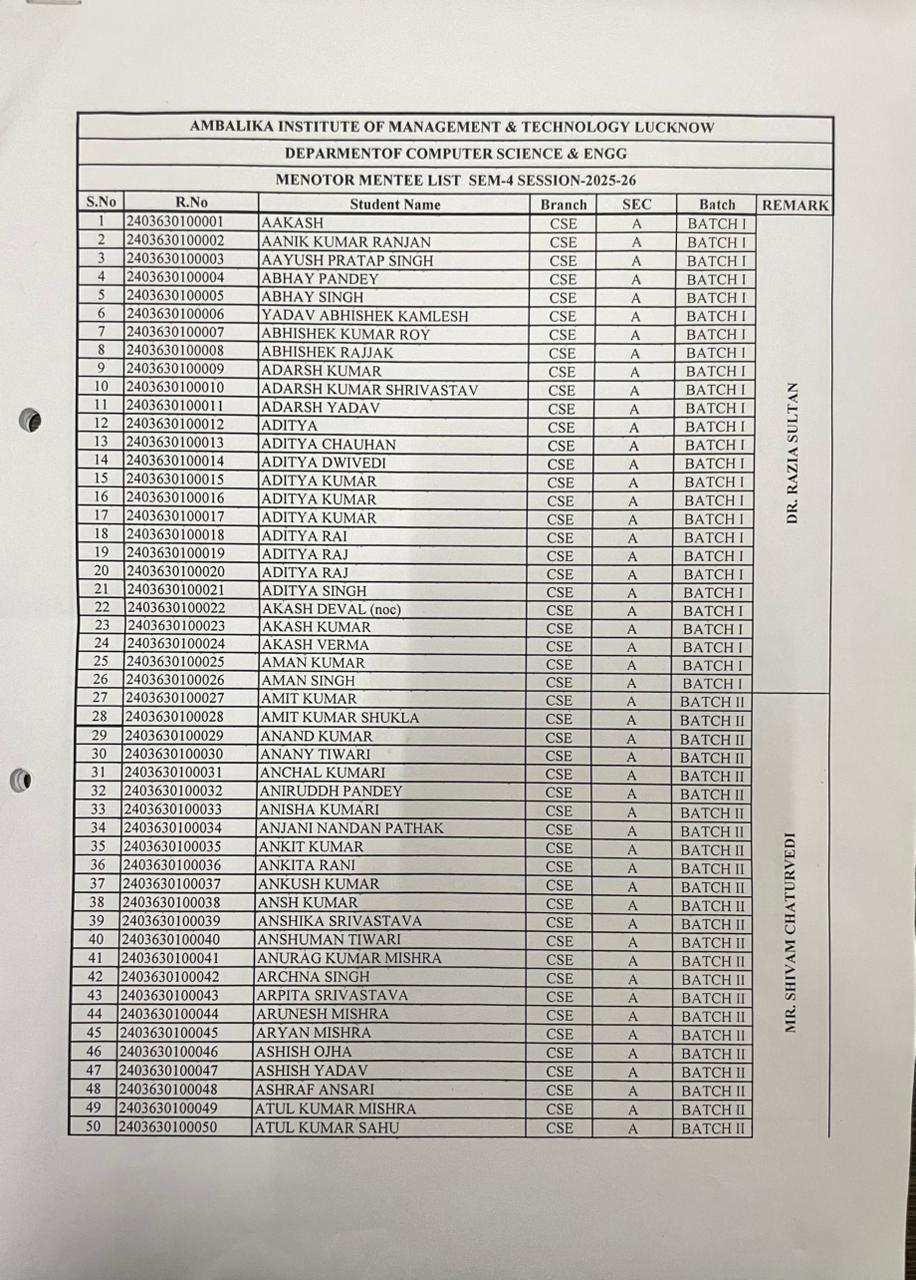
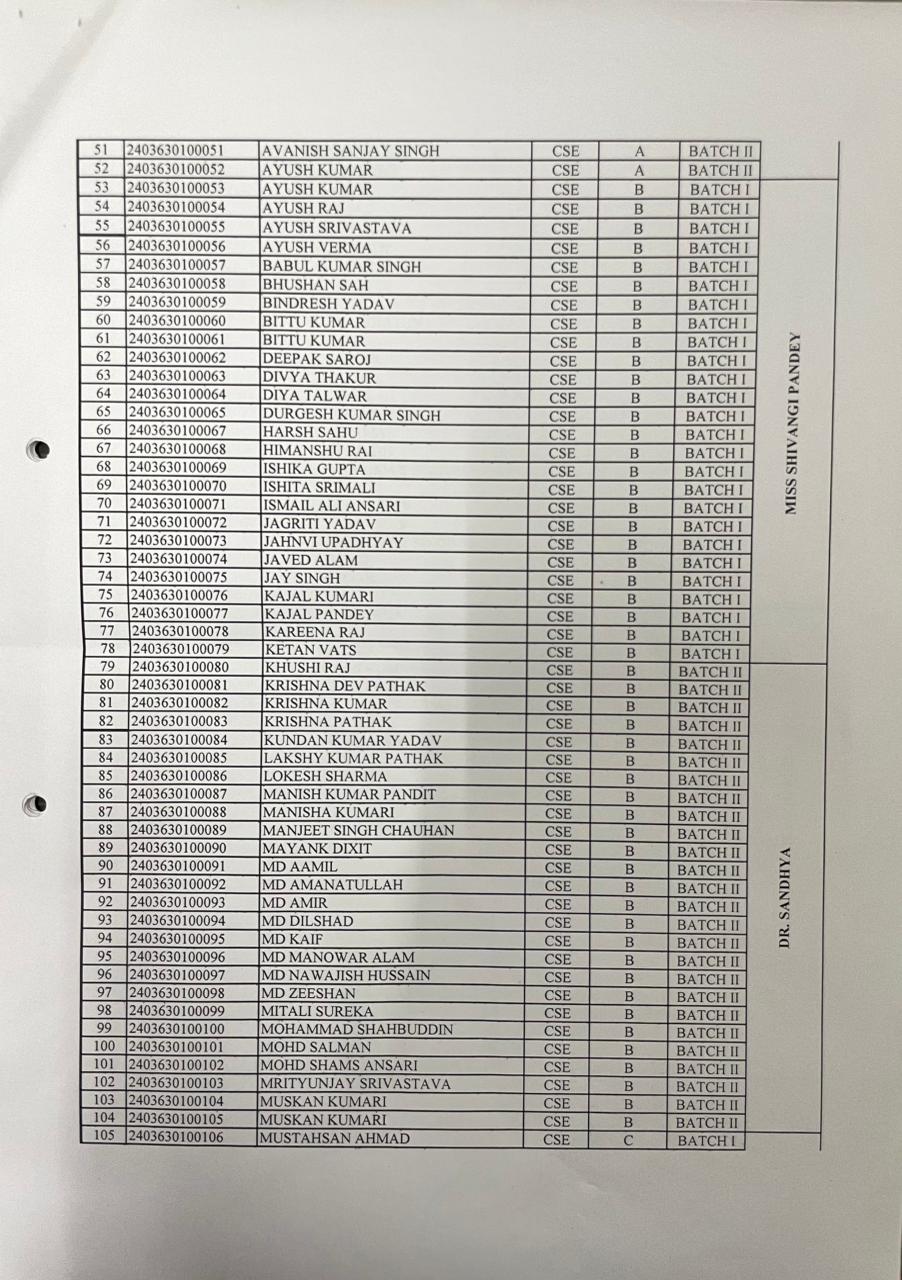
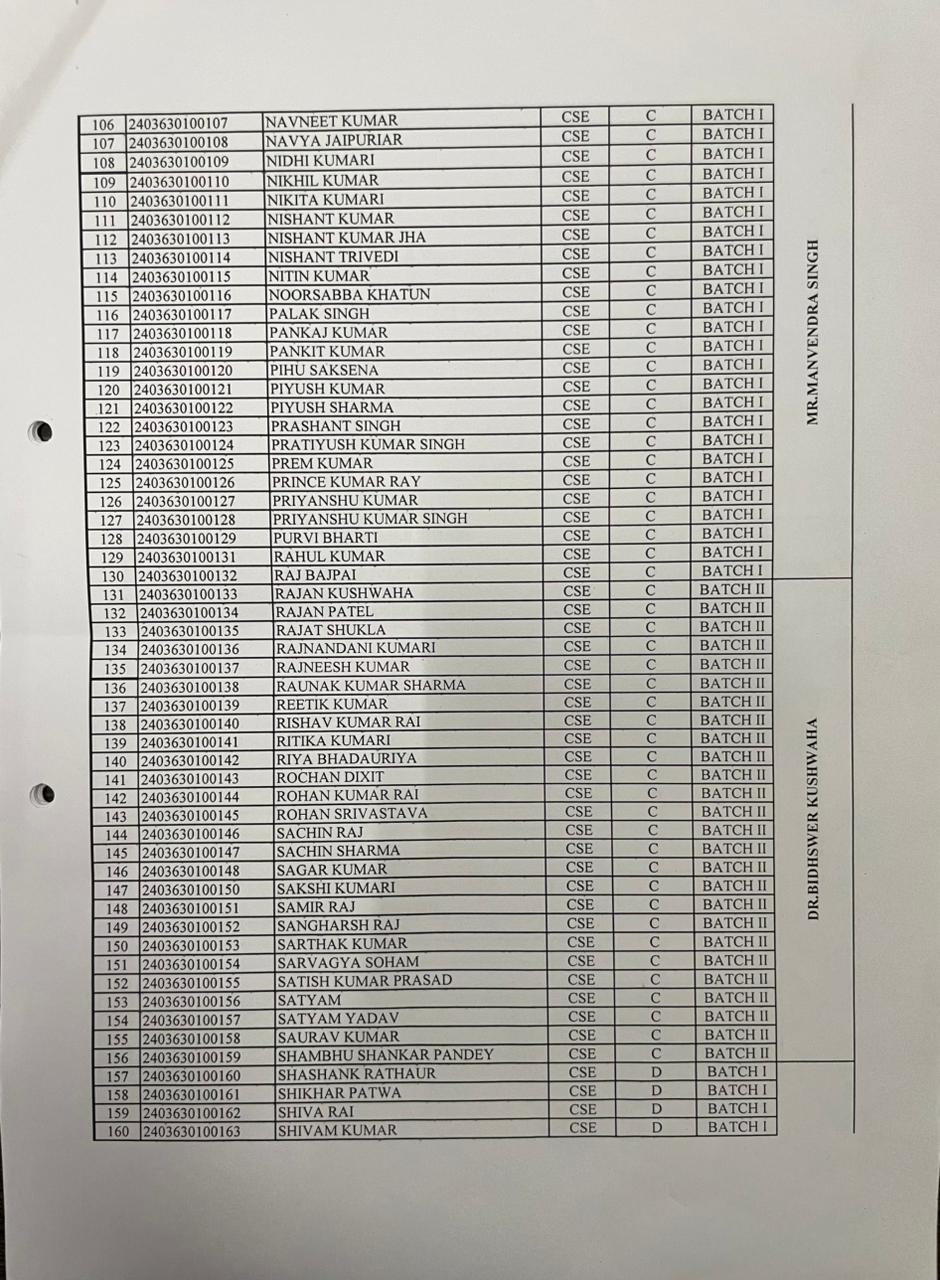
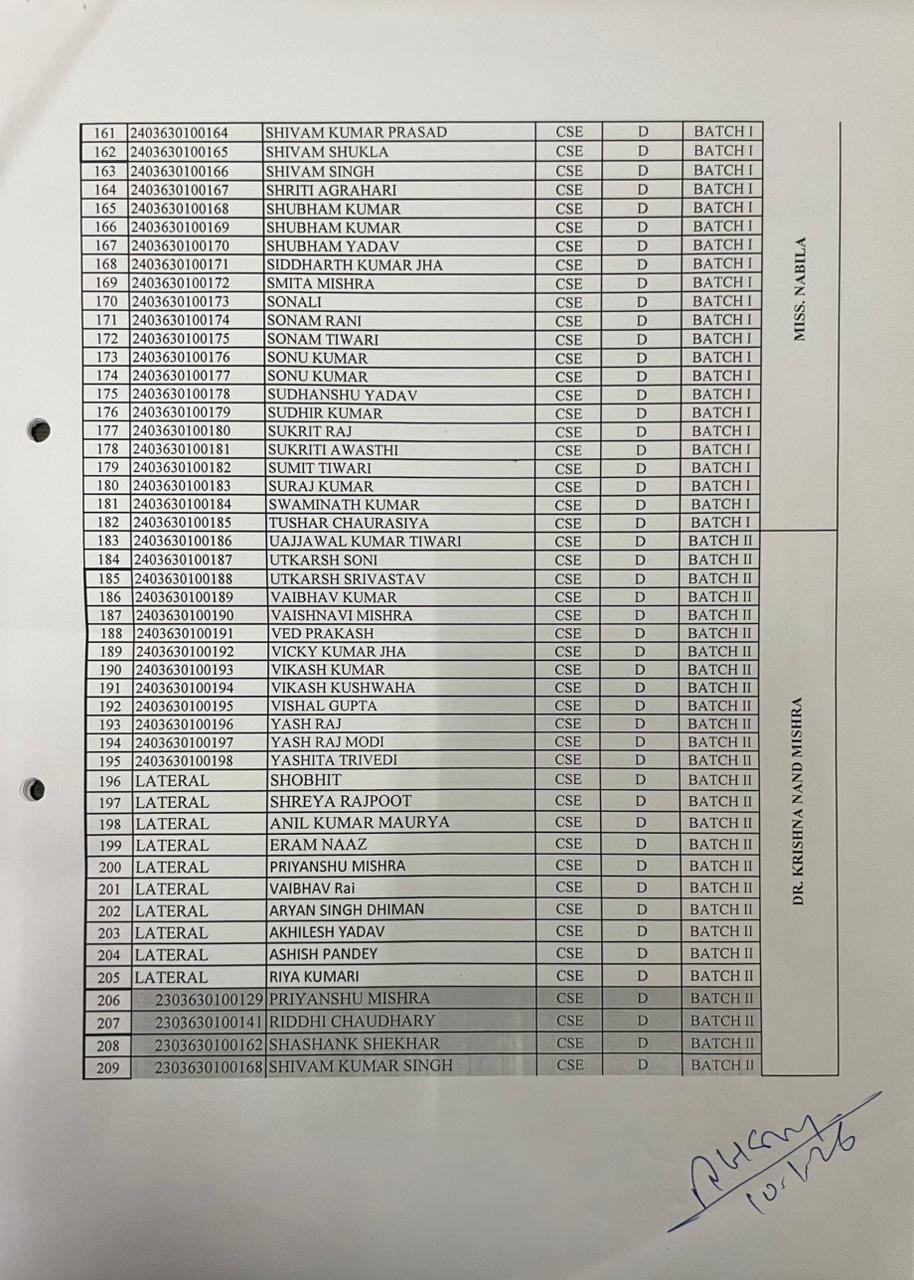
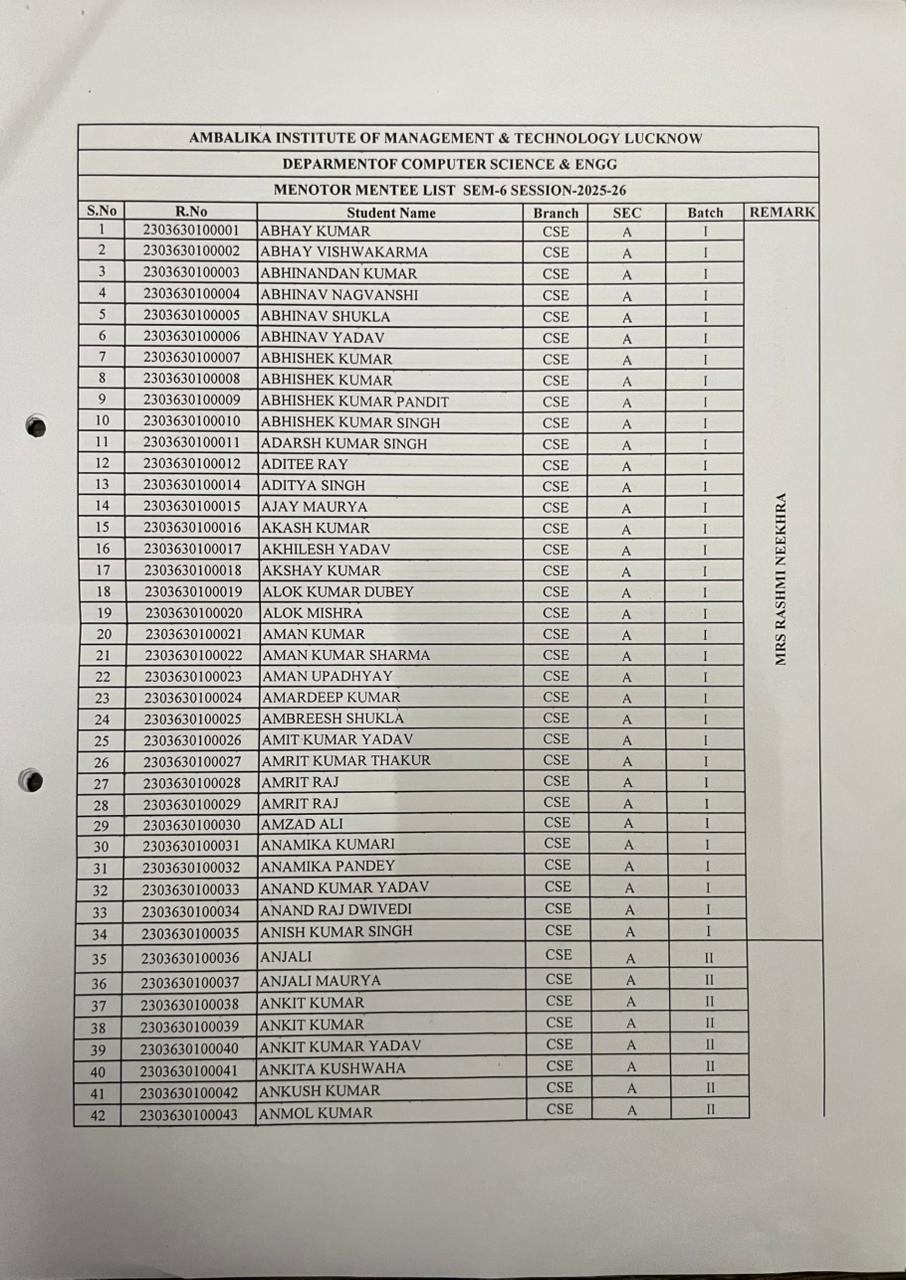
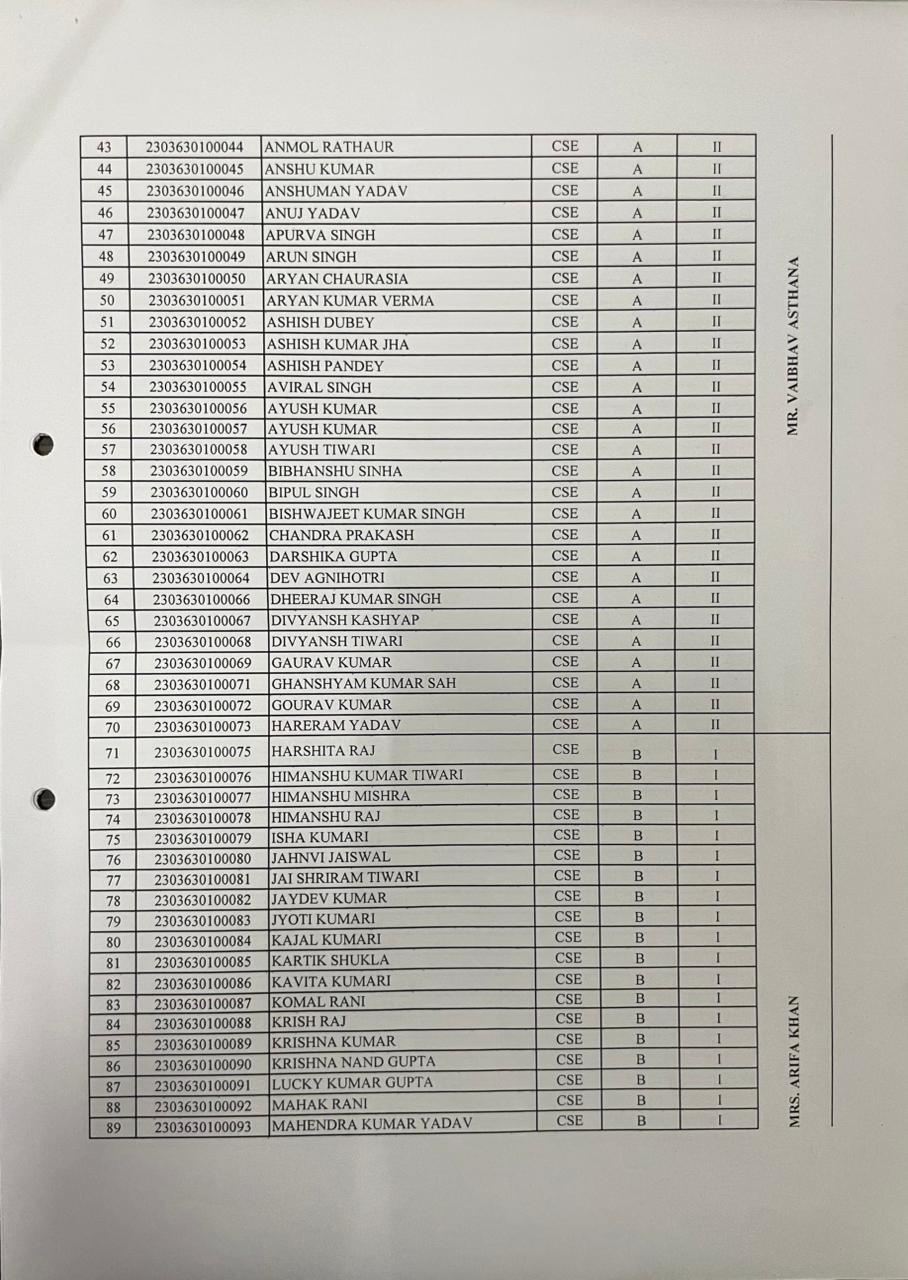
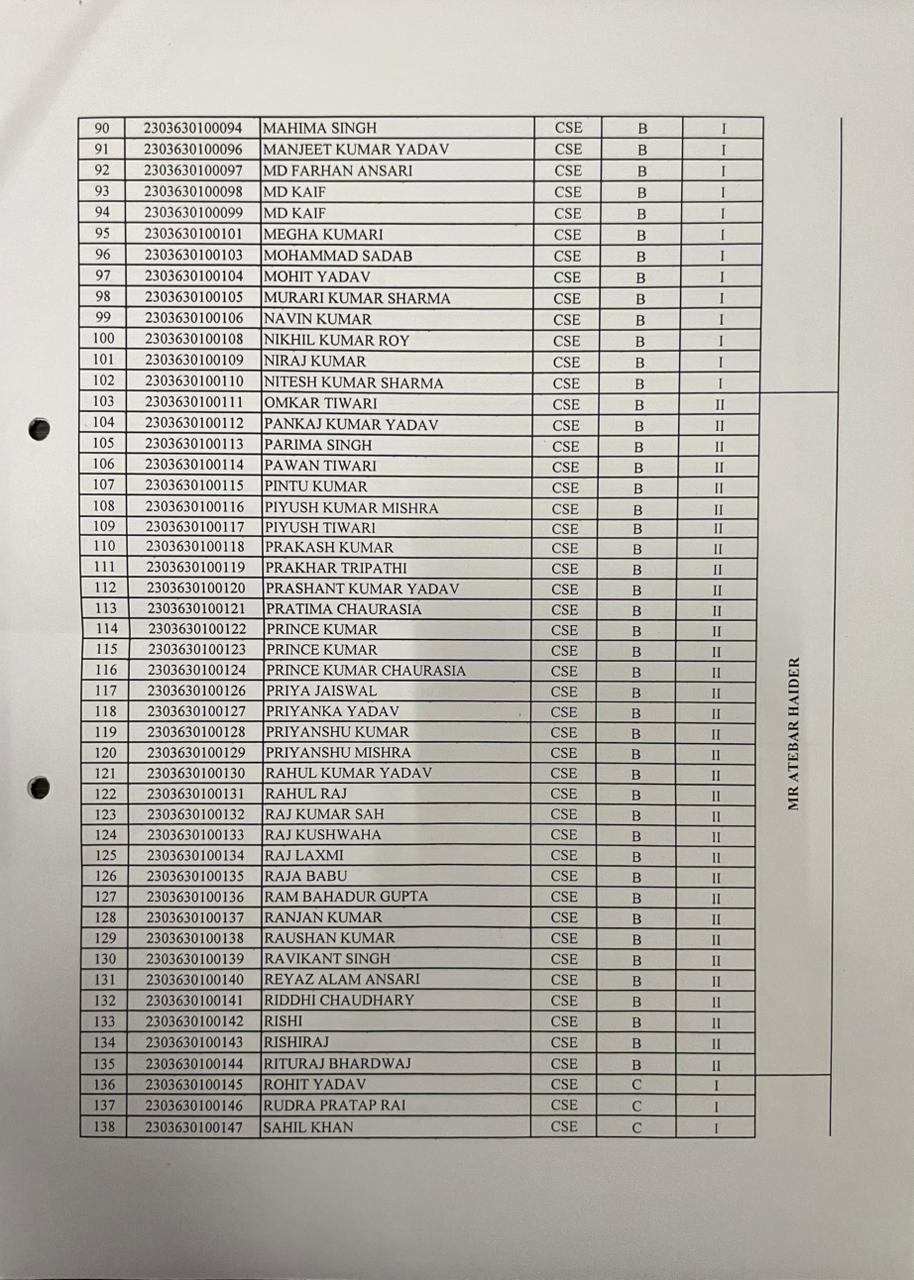
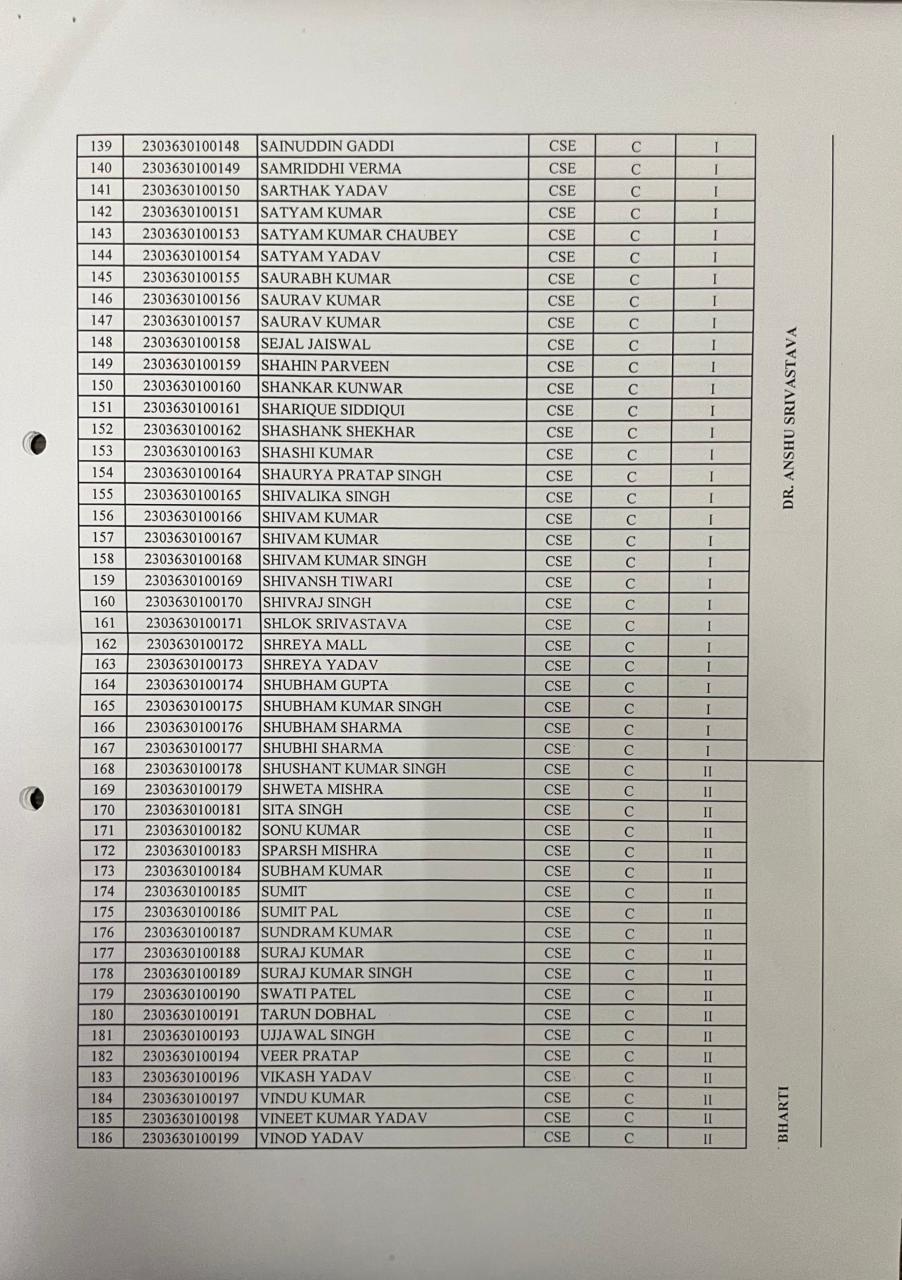
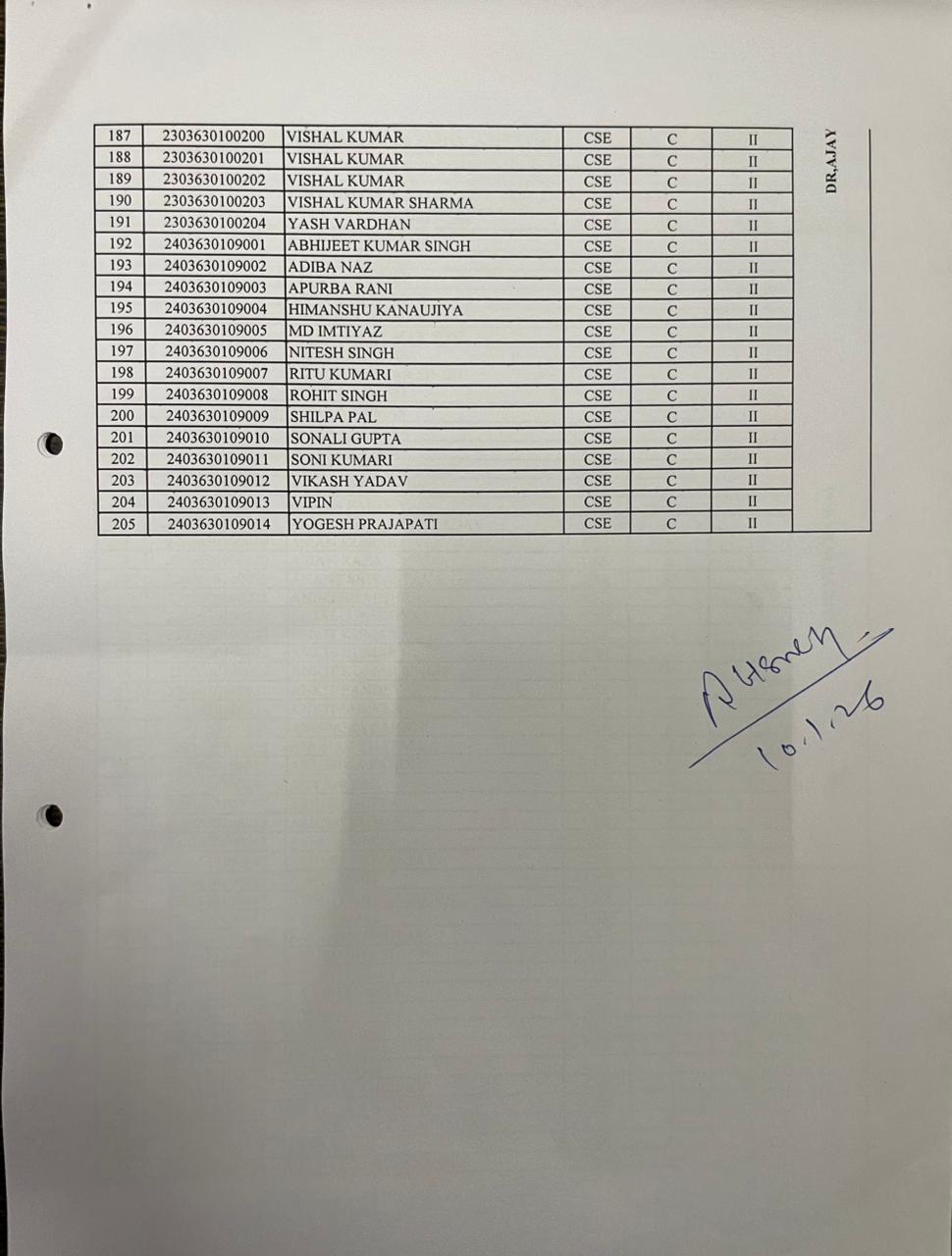
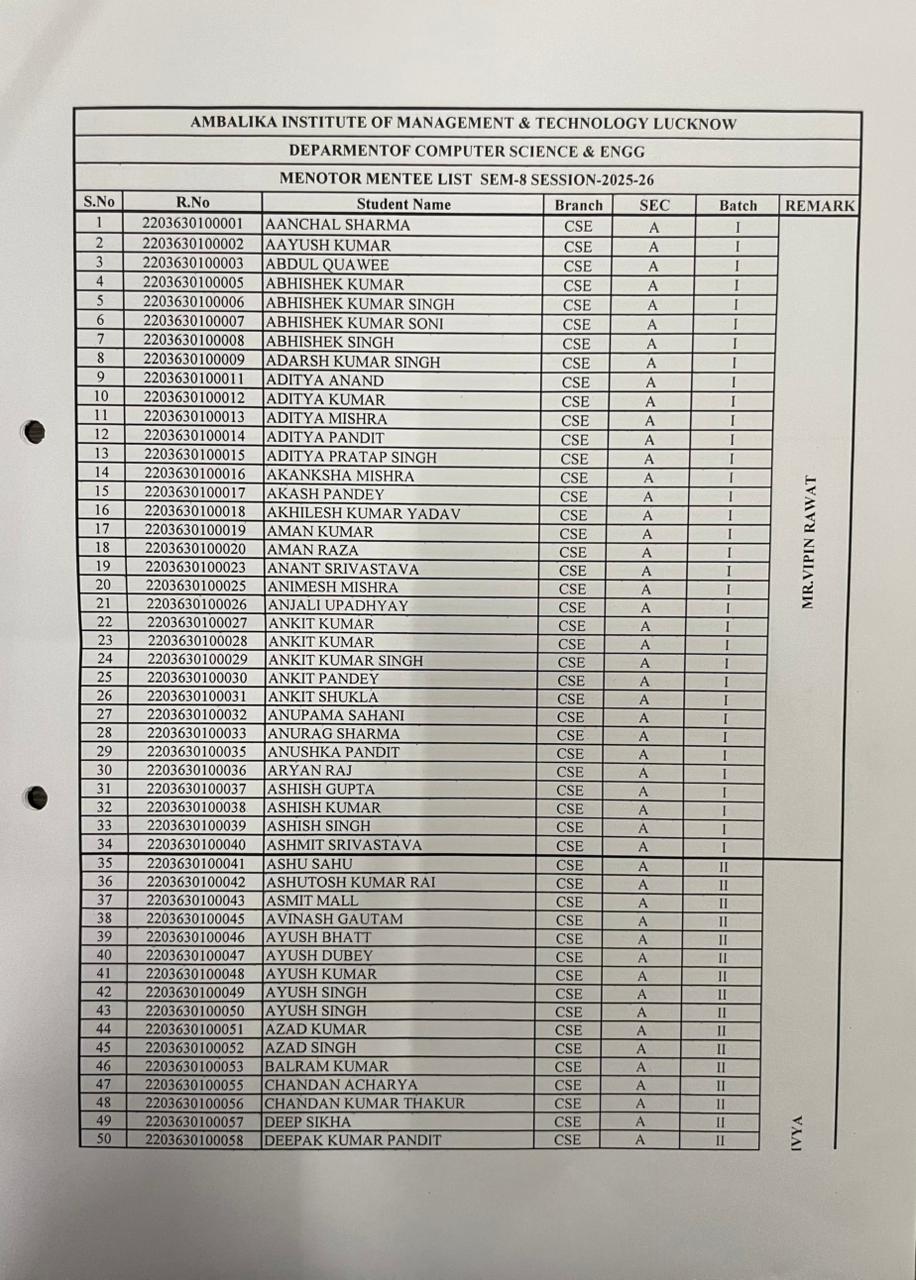
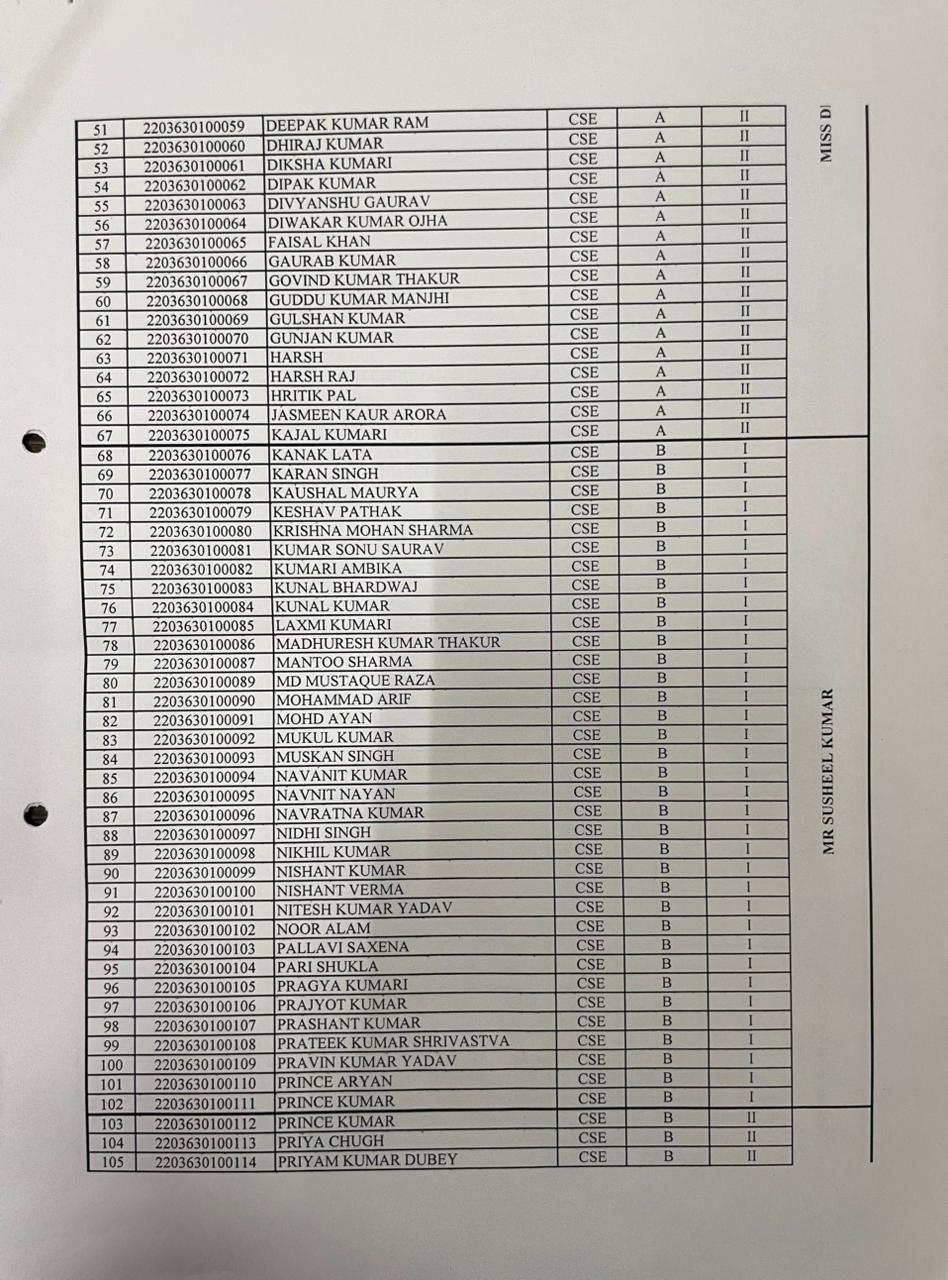
Mentor – Mentee Details 2025-26
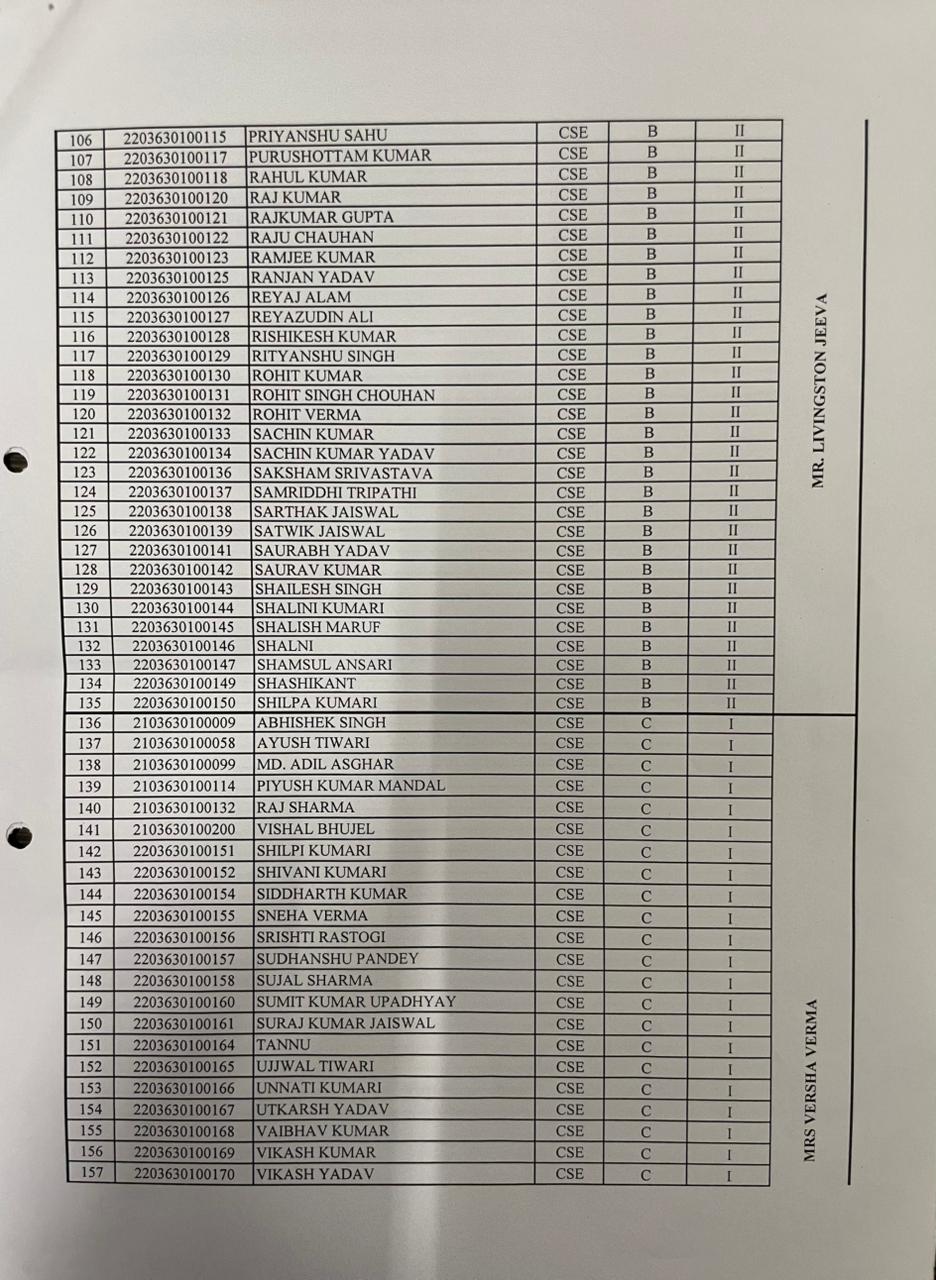
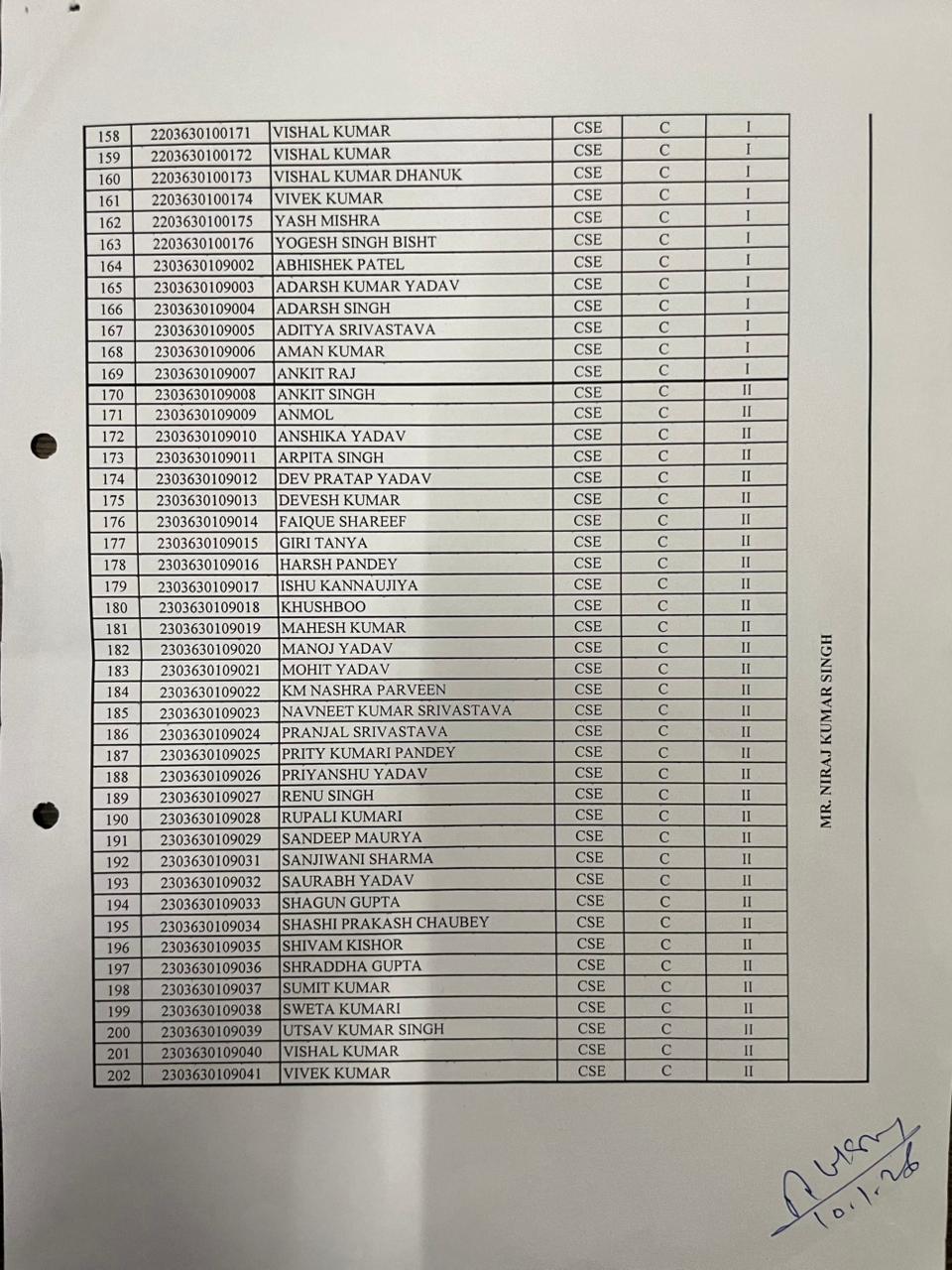
The Mentor–Mentee system is designed to provide personalized academic guidance and continuous support to students throughout their academic journey. Each faculty mentor is assigned a group of students to monitor their academic progress, address learning challenges, and support their overall personal and professional development. This structured interaction helps build a strong student–faculty relationship and ensures timely academic counselling and career guidance.