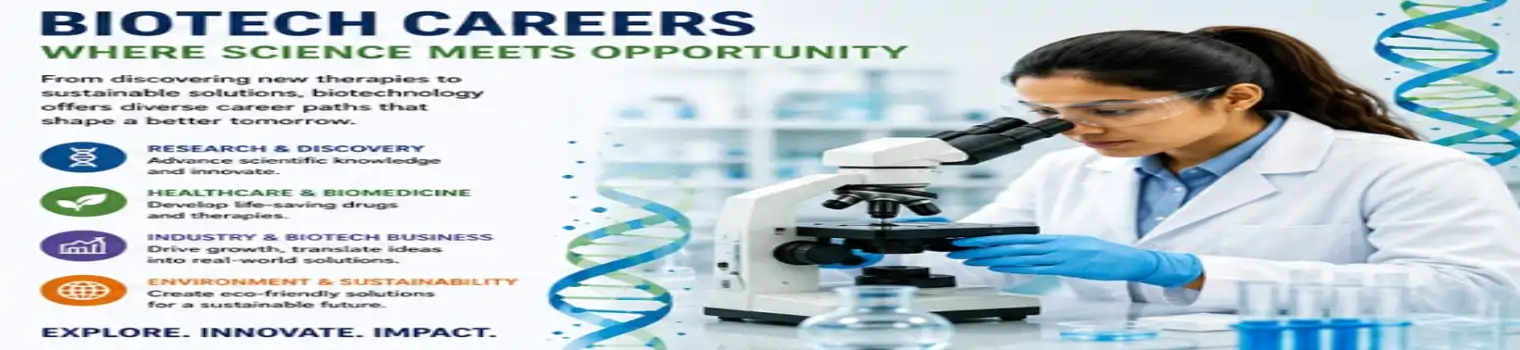
Biotechnology is one of the fastest-growing industries in the world. In 2026, the sector is creating exciting opportunities for students, researchers, healthcare professionals, engineers, and business graduates. Advances in artificial intelligence, genomics, personalized medicine, agricultural biotechnology, bioinformatics, and sustainable manufacturing are transforming the global economy and generating new career paths.
The biotechnology industry combines biology with technology to develop innovative products and solutions that improve human health, food production, environmental sustainability, and industrial processes. Governments, pharmaceutical companies, healthcare organizations, research institutes, and startups are investing heavily in biotechnology, creating strong demand for skilled professionals.
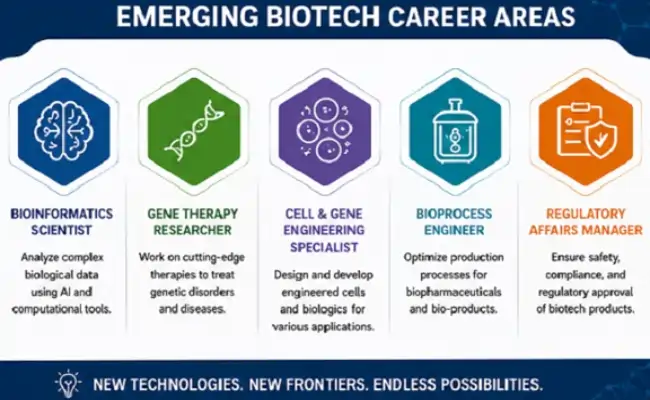
One of the most promising areas is bioinformatics. Bioinformatics professionals analyze biological data using computational tools and artificial intelligence. The rapid growth of genomic sequencing has increased the need for specialists who can manage and interpret large datasets. Careers in bioinformatics include bioinformatics analyst, computational biologist, genomic data scientist, and AI-driven healthcare researcher.
Another major opportunity lies in genomics and precision medicine. Precision medicine focuses on creating treatments tailored to an individual’s genetic profile.
Biopharmaceutical research continues to offer excellent career prospects. Pharmaceutical and biotechnology companies are investing in drug discovery, vaccine development, and advanced therapies. Research scientists, clinical research associates, regulatory affairs specialists, and quality assurance professionals are essential for bringing new products to market.
Artificial intelligence is revolutionizing biotechnology. AI tools are helping researchers identify drug candidates, predict protein structures, and optimize laboratory processes. This trend has created demand for interdisciplinary professionals who understand both biological sciences and data science. Students who develop skills in programming, machine learning, statistics, and biotechnology can access highly rewarding career opportunities.
Industrial biotechnology focuses on using biological systems to manufacture products such as biofuels, enzymes, biodegradable materials, and sustainable chemicals. As industries seek environmentally friendly solutions, industrial biotechnology professionals are becoming increasingly valuable. Process engineers, fermentation specialists, production managers, and industrial microbiologists are among the key positions in this field.
Biomanufacturing is experiencing significant growth worldwide. The production of biologics, vaccines, and cell-based therapies requires highly trained professionals who can manage complex manufacturing systems. Careers include bioprocess engineer, manufacturing scientist, quality control analyst, validation specialist, and operations manager. Many companies are building advanced facilities, increasing demand for skilled talent.
Quality assurance and quality control remain essential functions across the biotechnology industry. Companies must maintain strict standards to ensure product safety and effectiveness. Professionals in these areas conduct audits, monitor manufacturing processes, review documentation, and perform laboratory testing.
Environmental biotechnology is attracting growing attention due to climate change and sustainability concerns. Environmental biotechnologists develop solutions for waste management, pollution control, and ecosystem restoration. Careers include environmental scientist, bioremediation specialist, sustainability consultant, and environmental microbiologist.
Healthcare diagnostics is another important growth area. Advances in molecular diagnostics, rapid testing technologies, and biomarker research are transforming disease detection. Laboratory technologists, diagnostic researchers, product development scientists, and medical affairs specialists are increasingly in demand.
Startups are playing a major role in biotechnology innovation. Many emerging companies focus on areas such as synthetic biology, personalized medicine, digital health, and advanced therapeutics. Startup environments often provide opportunities for rapid career development, innovation, and entrepreneurship. Professionals who enjoy dynamic work settings may find startups particularly attractive.
For students interested in biotechnology careers, developing a combination of technical and professional skills is essential. Important technical skills include molecular biology techniques, laboratory practices, bioinformatics tools, data analysis, and quality management systems. Professional skills such as communication, teamwork, project management, and problem-solving are equally valuable.
Higher education can significantly enhance career prospects. Master’s degrees, doctoral programs, certifications, and specialized training courses can help professionals gain expertise in high-demand areas. Internships and industry collaborations also provide practical experience that employers highly value.
In conclusion, biotechnology offers diverse and rewarding career opportunities for individuals with scientific curiosity and a passion for innovation. Whether working in healthcare, agriculture, environmental sustainability, manufacturing, data science, or entrepreneurship, biotechnology professionals contribute to solving some of the world’s most important challenges. By developing relevant skills, gaining practical experience, and staying informed about industry trends, aspiring professionals can build successful and impactful careers in this exciting field.